The cabling is the infrastructure, not an accessory
The quality of the network decides how smoothly work runs, how stable communications are, and how everything plugged into it holds up. A badly crimped link does not fail: it slows down, intermittently, for months.
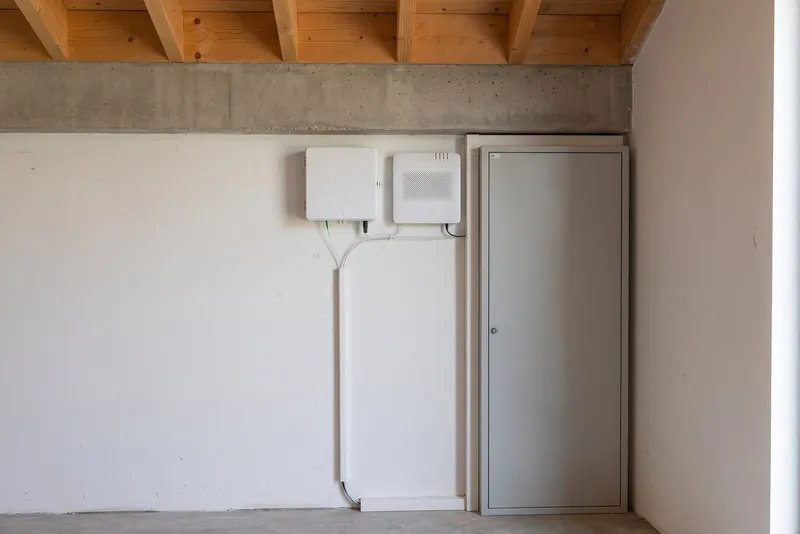
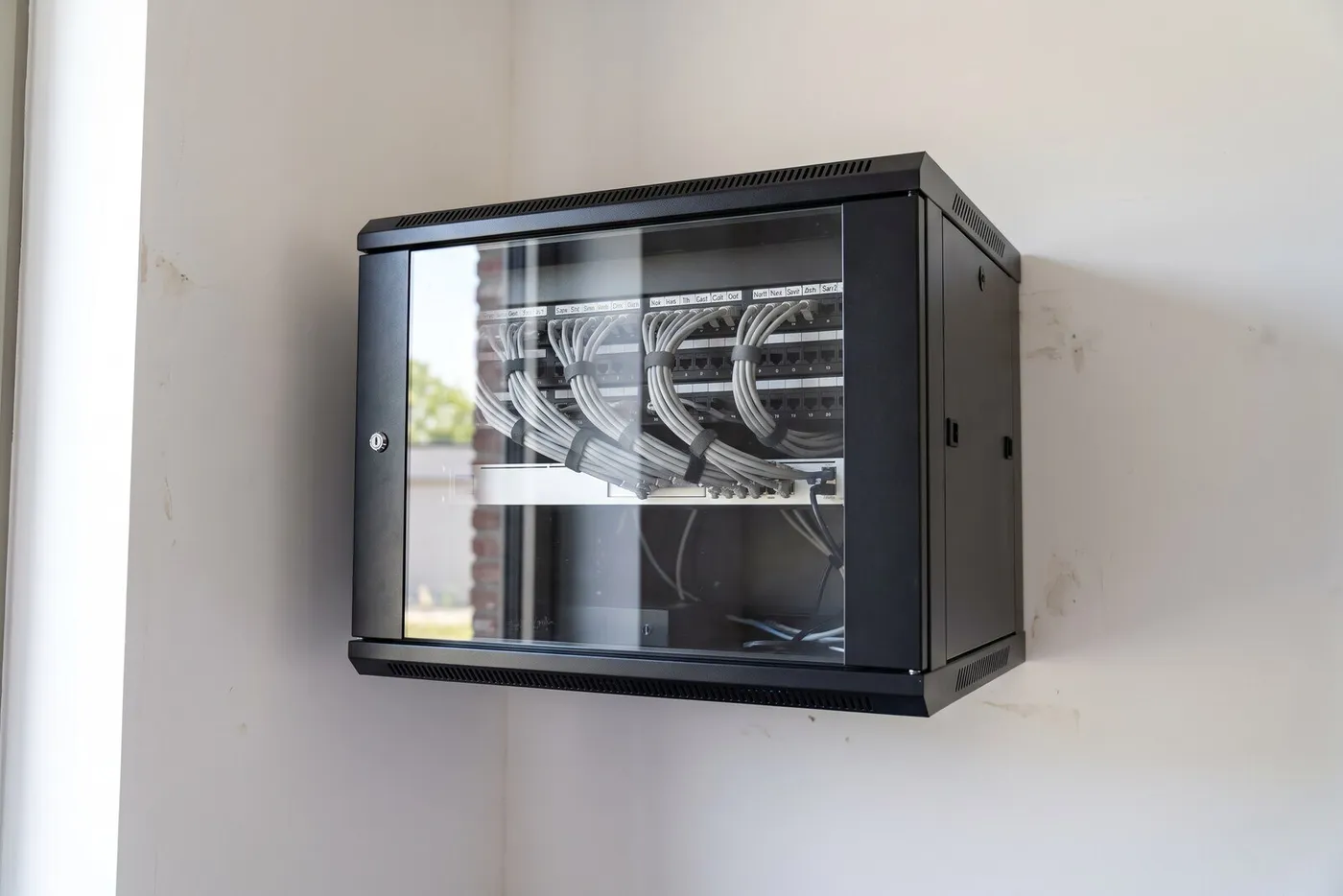
We work in structured cabling, with the attention put where it shows up later: the route, how the cabinet is organised, labelling at both ends, and the room left for what comes next.
What a network installation covers
- Structured cabling
- Pulling, terminating and fitting the RJ45 outlets, with both ends of every link labelled.
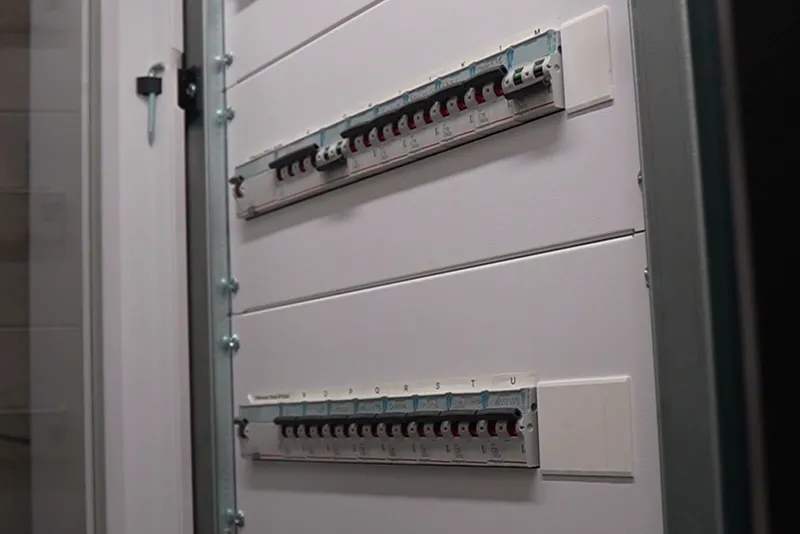
- Cabinet and patching
- Cabinet, panels, patch leads and organisation, so a link is found without unrolling the whole cabinet.
- Active equipment
- Switches, access points, and power over the cable where that saves a socket at height.
- Built to extend
- Extra workstations, IP telephony, CCTV, access control and links to another building.
What sets a tidy cabinet apart
- Structured cabling, labelled at both ends
- An organised cabinet, maintainable without stripping it out
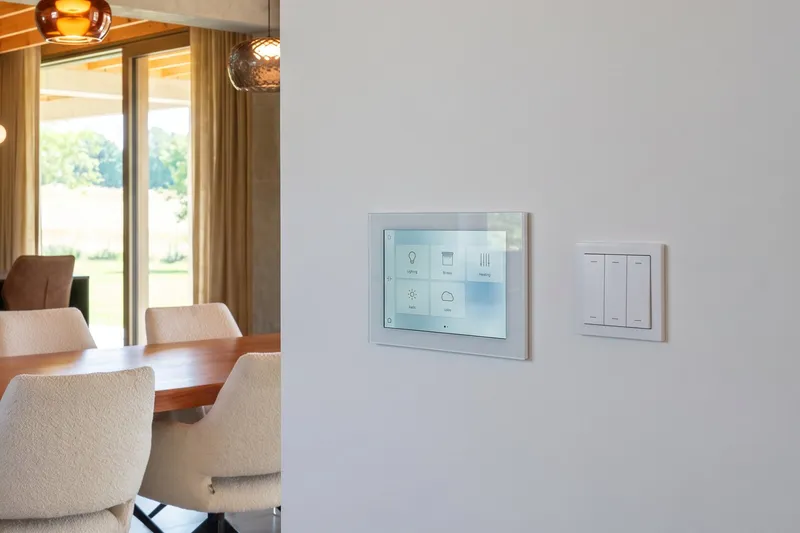
- Networks for the business as readily as for the connected home
- Room left for whatever gets plugged in next